The problem on solid waste clearly is not something that is unheard of, as a matter of fact it only got to aggravate over time and with the increasing population worldwide. The indiscriminate disposal of solid wastes is one major threat to environmental and human well-being (Domato, 2002). More alarmingly that our country ranked highest in the Southeast Asia regarding trash collection rate (Ranada, 2015), and the world’s third-biggest dumper of plastic in the ocean (Suarez, 2015).
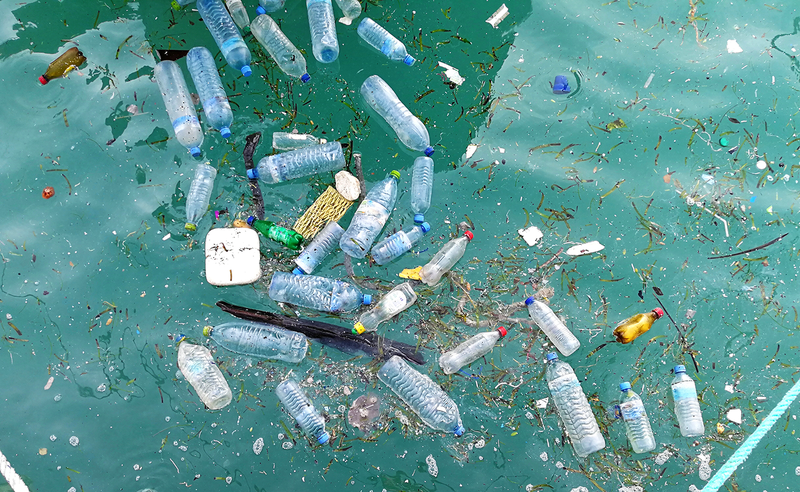
The amount of wastewater produced annually is about 1,500 km3, six times more water than what exists in all the rivers of the world (UN WWAP 2003). On the other hand, Senate Economic Planning Office (2019) reported Philippines to generate more solid waste as population increases, living standards are enhanced, and urban and rural areas are being developed, currently on the pace for 165%-increase in garbage by 2025.
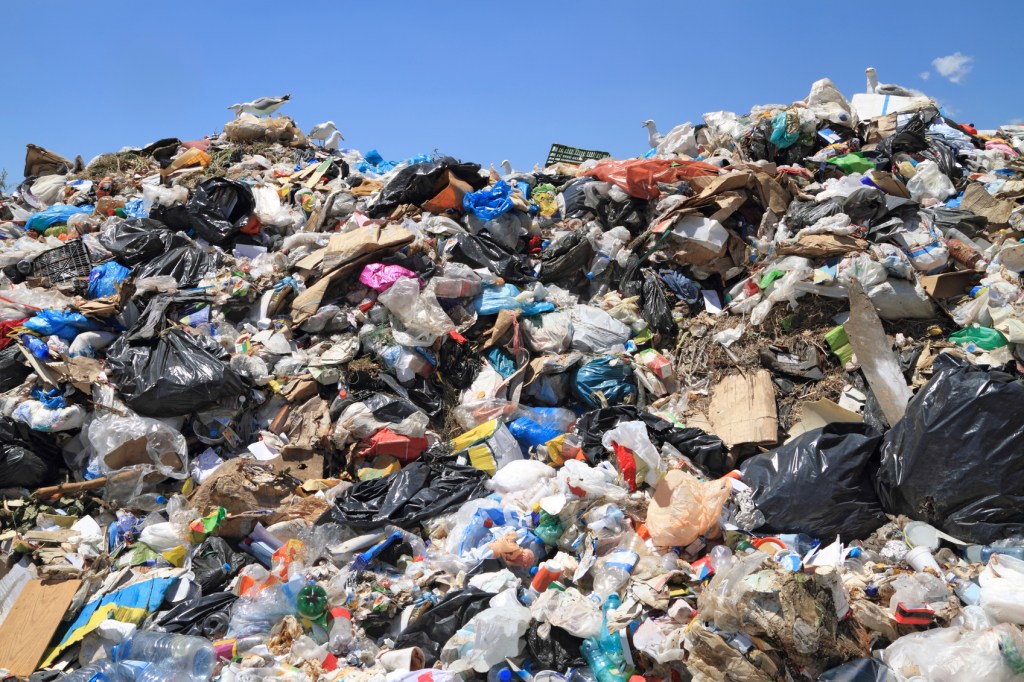
On the other hand the very plastic materials that have been in our primary needs, or they so-called, appears to be a double-edge sword threatening the very existence of a safe and healthy environment we could have in the near future. Looking on a greater angle would show humans to be the culprit. The aftermaths of the unethical use of these plastics are visibly manifested in our clogging street-canals, stinking congested dumping sites, and urban flooding that had already became a waste crisis in the country that needs an immediate response.
The present issue suggests a call for action to meet an ideal situation, where use of plastic is sustainable and solid wastes are rightfully placed. Bringing entirely the concept of recycling as one of the most important actions currently available to reduce the impacts, and represents one of the most dynamic areas in the plastics industry today (Dvorak, Hopewell & Kosior, 2009). There is also the existence of RA 9003 mandating authorities and even the public to practice appropriate waste disposal, in order to mitigate adverse effects of solid-waste-causing pollution.
Given that the Department of Environment and Natural Resources (DENR) envisions having the kind of nation that enjoys and sustains its natural resources and a clean and healthy environment, so considering the fact that we are so distant to the vision means we should act more in a way to meet the said goal. Humans should also work with nature, and not against it to restore biodiversity, boost livelihoods and health, and create climate resilience (Andersen, 2019).
Trying to imagine the severity of the problem might lead one to belittle a single person’s participation in advocating and accepting waste-responsibility. But this is not the case if considered on national scales, for every person taking full consideration of this movement is crucial in creating a full-blown result. These 15 ways to reduce solid waste on domestic level, as suggested by Conserve Energy Future, can be practiced by everyone no matter the status.
1.Reduce Food Waste
Each year, a very large percentage of our purchased food is left uneaten.
2.Eat Healthy
Buy healthier foods that don’t require as much disposable waste in the form of packaging.
3.Save Leftovers for Next Day
Eating leftovers more often will save on money and result in less food waste.
4.Buy Things with Less Packaging
Buying food in bulk means less packaging and less waste.
5.Boycott Plastic Water Bottles
Millions of plastic water bottles are thrown away by people every day.
6.Just Don’t Buy as Much Stuff….Really
Re-evaluate your priorities. Think about what you need vs. what you want.
7.Recycle
Don’t just throw away old glass bottles or aluminium cans. Instead, recycle them.
8.Purchase Items Made From Recycled Products
Consider buying items made from recycled products so that you can help the environment in making it clean and green.
9.Clean Smarter
Instead of buying cleaning solutions from market to unclog your drains, use baking soda and vinegar for your cleaning projects.
10.Composting
Composting is easy and natural process that takes remains of plants and kitchen waste and turns it into nutrient rich food which helps your plants grow.
11.Reuse
You can take an old shopping bag with you while going out for shopping. An old shopping bag can replace hundreds of plastic bags that will end up in landfills.
12.Buy rechargeable batteries
Disposable batteries can prove very harmful for the environment as chemicals inside the batteries can leak.
13.Buy Items Packaged in Recycled Cartons
Buy products that are packaged in recycled cartons and reuse those cartons. Similarly, old newspapers make great packaging material.
14.Get Involved
Visit pro-recycling sites and talk to others in your community about the benefits of reducing solid waste.
15.Donate Clothes
The throwing away of clothing is one of the biggest contributions we make to landfills today.
References
Mawis. (2019, May 18). Solid waste mismanagement in the Philippines. Inquirer. Retrieved February 13, 2020, from https://business.inquirer.net/270819/solid-waste-mismanagement-in-the-philippines.
Pacific Institute (Ed.). (2010). World water quality facts and statistics. Retrieved February 13, 2020, from https://pacinst.org/wp-content/uploads/2013/02/water_quality_facts_and_stats3.pdf.
DENR. (2016). DENR mandate, mission & vision. Retrieved February 13, 2020, from https://denr.gov.ph/index.php/about-us/mission-vision.
Andersen. (2019). Our planet our future. Retrieved February 13, 2020, from https://www.unenvironment.org/news-and-stories/speech/our-planet-our-future.
Madrigal, & Oracion. (2018, ). Solid Waste Management Awareness, Attitude, and Practices in a Philippine Catholic Higher Education Institution. Retrieved February 13, 2020, from https://www.researchgate.net/publication/327177428_Solid_Waste_Management_Awareness_Attitude_and_Practices_in_a_Philippine_Catholic_Higher_Education_Institution.
Aquino, Deriquito, & Festejo. (2013). Ecological solid waste management act: environmental protection through proper solid waste practices. Retrieved February 13, 2020, from http://ap.fftc.agnet.org/ap_db.php?id=153&print=1.
Halden, & North. (2014). Plastics and Environmental Health: The Road Ahead. Retrieved February 13, 2020, from https://www.ncbi.nlm.nih.gov/pmc/articles/PMC3791860/.
Hopewell, Dvorak, & Kosior. (2009). Plastics recycling: challenges and opportunities. Retrieved February 13, 2020, from https://www.ncbi.nlm.nih.gov/pmc/articles/PMC2873020/.
Rinkesh. (2020). 15 easy ways to reduce landfill waste. Retrieved February 13, 2020, from https://www.conserve-energy-future.com/15-easy-ways-to-reduce-landfill-waste.php.
 Vincent
